
Posted On: August 3, 2026 by NARA in: Education
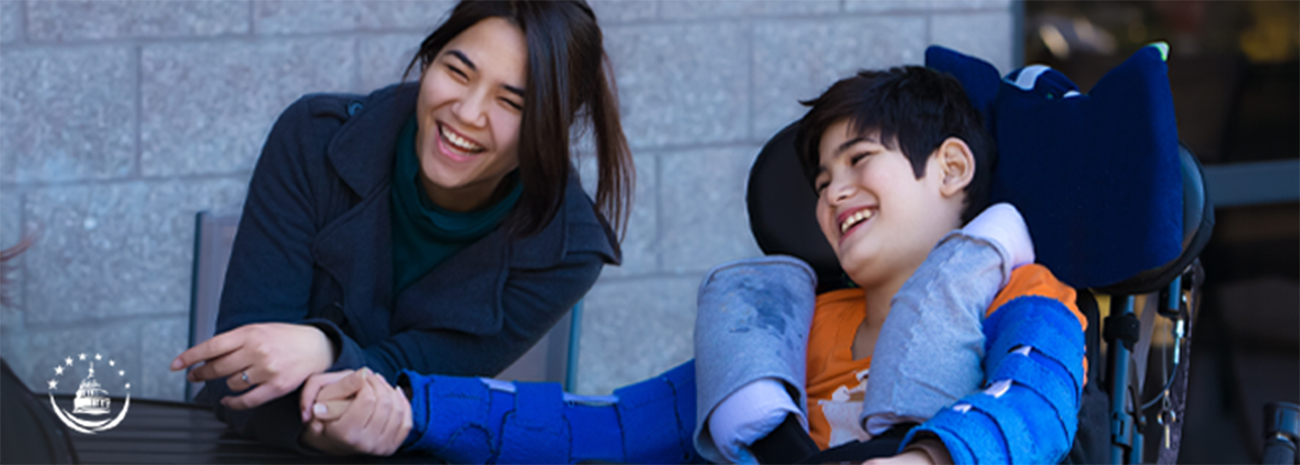
August is SMA Awareness Month, a time to raise awareness of spinal muscular atrophy (SMA) and the ongoing importance of coordinated, individualized care. For rehab providers, the observance is also an opportunity to examine how spinal muscular atrophy rehabilitation supports people across different stages of life, from early childhood through adulthood and aging.
Advances in SMA treatment have changed expectations for many individuals living with the condition. As a result, rehab organizations increasingly support patients who are pursuing long-term functional goals, navigating life transitions, and seeking greater independence over many years.
Effective rehab for spinal muscular atrophy requires collaboration across disciplines, attention to changing needs over time, and care plans that reflect each individual's strengths, challenges, and goals.
What Are the Key Rehabilitation Considerations for Spinal Muscular Atrophy?
The key rehabilitation considerations for spinal muscular atrophy include maintaining function, supporting mobility, optimizing positioning and seating, monitoring respiratory and swallowing concerns, promoting participation in daily activities, integrating assistive technology, educating caregivers, and coordinating care across disciplines.
Because SMA affects each individual differently, rehabilitation plans should be individualized and regularly reassessed throughout the lifespan. Physical therapy, occupational therapy, speech-language pathology, respiratory care coordination, and family education often play important roles in comprehensive SMA management.
Why SMA Awareness Month Matters for Rehab Providers
While public awareness campaigns often focus on diagnosis and treatment, SMA Awareness Month also highlights the importance of long-term rehabilitation planning.
Many rehab providers now support individuals with SMA across decades of care. Clinical teams may work with children entering school, adolescents transitioning to adulthood, adults pursuing career goals, or older individuals managing evolving functional needs. Each stage presents unique rehabilitation considerations that extend beyond medical management alone.
For rehab organizations, SMA Awareness Month provides an opportunity to strengthen clinical knowledge, review care pathways, and encourage collaboration among providers who contribute to long-term outcomes.
What Rehab Teams Should Know About SMA
SMA is a genetic neuromuscular condition that affects the motor neurons responsible for voluntary muscle movement. The resulting muscle weakness can influence mobility, endurance, posture, respiratory function, feeding, communication, and participation in everyday activities.
The severity and progression of symptoms can vary significantly. Some individuals require extensive mobility support from an early age, while others maintain greater levels of independence and mobility throughout adulthood.
This variability reinforces an important principle of SMA therapy across the lifespan: rehabilitation should focus on the individual's current function, goals, environment, and priorities rather than assumptions based solely on diagnosis.
For rehab providers, success is often measured through meaningful functional outcomes, including improved participation, safer mobility, enhanced communication, reduced caregiver burden, and greater independence in everyday activities.
Core Rehabilitation Considerations for Individuals with SMA
Mobility and Functional Movement
Mobility needs often change over time. Rehabilitation teams may focus on:
- Preserving existing functional abilities
- Supporting safe transfers and mobility
- Promoting energy conservation strategies
- Monitoring changes in endurance
- Addressing environmental barriers to participation
Mobility interventions should align with the individual's goals and daily routines rather than relying solely on standardized measures.
Positioning and Seating
Proper positioning can influence comfort, skin integrity, respiratory efficiency, and participation throughout the day.
Rehab providers often collaborate to evaluate:
- Seating systems
- Wheelchair positioning
- Postural support needs
- Pressure management strategies
- School, workplace, and home environments
Small adjustments in positioning can have meaningful effects on comfort and functional performance.
Respiratory Coordination
Respiratory concerns frequently remain an important aspect of long-term SMA care. Therapy providers should coordinate with physicians, respiratory therapists, caregivers, and other specialists when addressing:
- Breathing support needs
- Cough effectiveness
- Endurance limitations
- Activity tolerance
- Positioning that supports respiratory function
Interdisciplinary communication becomes especially important during changes in health status or care settings.
Swallowing and Feeding Considerations
Some individuals with SMA may experience challenges related to feeding, swallowing, nutrition, or fatigue during meals. Speech-language pathologists and interdisciplinary teams may help identify concerns involving:
- Swallowing safety
- Mealtime participation
- Oral motor function
- Fatigue during feeding
- Adaptive strategies that support nutrition and hydration
Regular monitoring can help identify changes before they become larger functional challenges.
Assistive Technology and Adaptive Equipment
Assistive technology frequently plays a central role in rehab for spinal muscular atrophy. Depending on functional needs, teams may evaluate:
- Mobility devices
- Environmental control systems
- Communication technologies
- Adaptive equipment for self-care
- Computer and workplace accommodations
Successful implementation often requires ongoing reassessment as needs evolve.
Early Childhood and Pediatric Rehab Priorities
Pediatric rehab for SMA often emphasizes developmental participation, family education, positioning, mobility support, and access to meaningful activities. Therapy interventions may focus on helping children:
- Participate in play
- Engage with family and peers
- Access school environments
- Develop age-appropriate skills
- Maintain comfort and positioning throughout daily routines
Caregiver education is especially important during early childhood. Families benefit from guidance that helps them safely support mobility, positioning, home activities, and equipment use while integrating therapy goals into everyday life. Because developmental milestones continue to evolve, regular reassessment remains essential.
Supporting School-Age Children and Adolescents with SMA
As children enter school and adolescence, rehabilitation priorities often expand beyond physical function alone. Therapy teams frequently assist with:
- Classroom accessibility
- School-based accommodations
- Transportation planning
- Participation in extracurricular activities
- Assistive technology integration
- Self-advocacy skill development
Transitions during adolescence can introduce new challenges related to social participation, independence, and future planning.
Many rehab providers find that collaborative communication between families, schools, physicians, and therapy teams improves continuity of care and supports more consistent outcomes.
Adult SMA Care: Independence, Function, and Long-Term Planning
Adult SMA therapy often centers on maintaining independence, promoting participation, supporting employment goals, and addressing changing functional needs. Adults with SMA may encounter challenges involving:
- Fatigue management
- Workplace accessibility
- Community mobility
- Equipment updates
- Long-term care planning
- Health-related transitions
Rehabilitation goals should reflect the individual's priorities, lifestyle, and desired level of independence.
As longevity increases for many individuals living with SMA, therapy organizations are increasingly supporting patients through extended periods of adulthood that require thoughtful, proactive planning rather than episodic intervention alone.
The Role of PT, OT, and SLP Collaboration
Effective multidisciplinary care for SMA depends on collaboration among providers.
Physical Therapy for SMA
Physical therapy for SMA often focuses on:
- Mobility
- Positioning
- Endurance
- Functional movement
- Transfer training
- Equipment assessment
Occupational Therapy for SMA
Occupational therapy for SMA frequently addresses:
- Daily living activities
- Adaptive equipment
- Environmental modifications
- Energy conservation
- Upper-extremity function
- Participation goals
Speech Therapy for SMA
Speech therapy for SMA may support:
- Communication needs
- Swallowing function
- Feeding considerations
- Assistive communication technology
- Caregiver education
While each discipline contributes unique expertise, shared goal setting and consistent communication frequently produce stronger outcomes and smoother care experiences.
How Rehab Organizations Can Strengthen SMA Care Pathways
Although every patient journey is unique, rehab organizations can improve consistency and coordination by evaluating their SMA care pathways. Areas worth reviewing include:
- Referral processes
- Interdisciplinary communication practices
- Equipment coordination workflows
- Transition planning protocols
- Documentation consistency
- Caregiver education resources
- Outcome tracking approaches
Strong documentation can help demonstrate medical necessity, support care continuity, and clearly communicate functional progress across providers and settings.
Organizations that invest in staff education around neuromuscular conditions may also be better positioned to provide coordinated, patient-centered care.
For professional development opportunities and industry resources, our members can explore NARA Education, NARA Webinars, and additional insights through our blog.
Supporting Lifelong Function Through Coordinated Rehab Care
One of the most important realities of spinal muscular atrophy rehabilitation is that care needs often change across the lifespan.
Children grow. Adolescents transition into adulthood. Adults encounter new functional goals, environmental demands, and health considerations. Throughout those transitions, rehab providers help individuals maintain participation, maximize independence, and adapt to changing circumstances.
During SMA Awareness Month, we have an opportunity to recognize the role rehabilitation plays throughout that journey. Through interdisciplinary collaboration, individualized care planning, caregiver support, and ongoing reassessment, rehab organizations can help individuals with SMA pursue meaningful goals at every stage of life.
As an association committed to supporting rehab providers, we understand the importance of sharing knowledge, strengthening care delivery, and advocating for the resources that help therapy organizations succeed. Learn more about who we are, explore the NARA Advantage, and stay connected with our ongoing advocacy efforts.
FAQ: Spinal Muscular Atrophy and Rehabilitation
What is spinal muscular atrophy rehabilitation?
Spinal muscular atrophy rehabilitation is a coordinated approach that uses physical therapy, occupational therapy, speech-language pathology, assistive technology, caregiver education, and interdisciplinary care planning to support function, mobility, participation, and quality of life for individuals living with SMA.
Why is SMA rehabilitation individualized?
SMA affects individuals differently. Age, functional abilities, respiratory status, mobility needs, personal goals, and environmental factors can all influence care planning, making individualized rehabilitation essential.
What role do PT, OT, and SLP providers play in SMA care?
Physical therapists often address mobility and movement. Occupational therapists focus on daily activities, adaptive equipment, and participation. Speech-language pathologists may support communication, swallowing, feeding, and assistive communication needs.
How can rehab organizations support patients with SMA across the lifespan?
Organizations can strengthen care through interdisciplinary collaboration, consistent documentation, caregiver education, assistive technology support, transition planning, and individualized treatment approaches that adapt over time.
Why does SMA Awareness Month matter for rehab providers?
SMA Awareness Month highlights the importance of long-term, coordinated care for individuals living with SMA and encourages rehab providers to strengthen clinical knowledge, improve care pathways, and support better functional outcomes.
0 comments